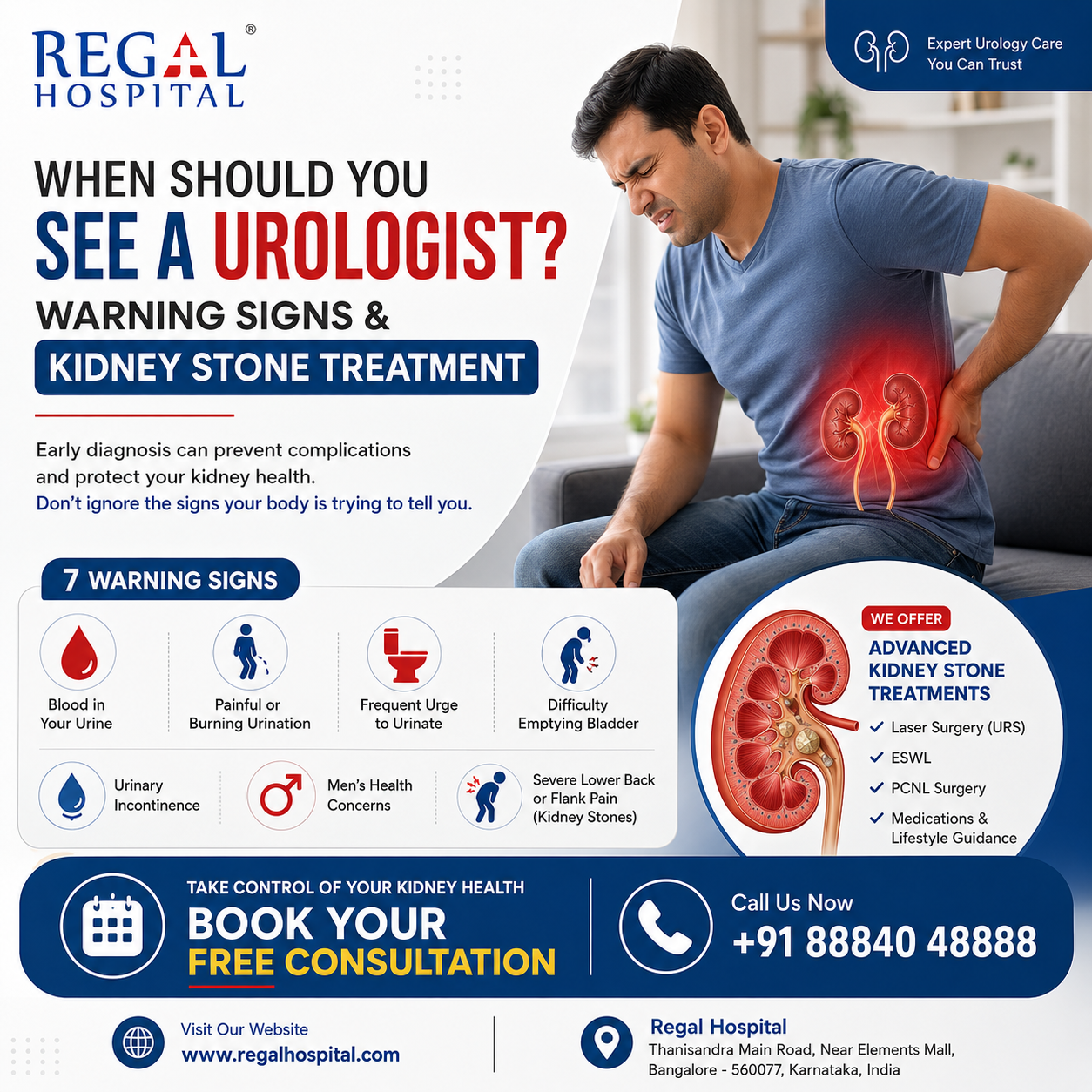
First, having excellent urological health is a key factor for your overall well-being. Basically, a urologist specializes in treating disorders of the urinary tract. Also, they manage the male reproductive system safely.
Currently, are you experiencing painful urinary problems? If so, you might wonder if it is time to visit a specialist. Fortunately, finding expert care is simple. Specifically, you can visit the best kidney stone hospital in bangalore to get diagnosed immediately.
Too often, patients ignore their early urinary health completely. Consequently, this leads to the rapid worsening of easily treatable conditions. Therefore, take complete control of your body today. Keep reading to learn the 7 clear signs that show it is time to consult a specialist.
7 Signs It Is Time to See a Urologist
Usually, urological issues start small but escalate quickly. Therefore, never ignore these seven warning signs:
1. You Have Blood in Your Urine
First, seeing blood in your urine is a very serious health issue. While it can be caused by a simple infection, major risks exist. Specifically, it is often an early sign of developing kidney stones or bladder tumors.
2. Painful or Burning Urination
Next, experiencing pain or a sharp stinging sensation indicates an active infection. If standard antibiotics from a general doctor fail, you need a specialist immediately.
3. Frequent Urge to Urinate
Also, running to the bathroom constantly disrupts your sleep entirely. Usually, this symptom points directly to an overactive bladder or an enlarged prostate.
4. Difficulty Emptying the Bladder
Furthermore, feeling like you cannot empty your bladder indicates a physical blockage. This is especially common among men experiencing prostate issues.
5. Urinary Incontinence
Additionally, leaking urine during a sudden sneeze or laugh is highly stressful. Fortunately, a specialist provides excellent therapies to restore full bladder control.
6. Men’s Health Concerns
Importantly, urologists also treat the male reproductive system completely. Therefore, see a doctor if you experience erectile dysfunction or testicular pain.
7. Severe Lower Back or Flank Pain
Finally, sudden, intense pain in your lower back is a classic symptom of kidney stones. Because stones are incredibly common, understanding your treatment options is vital.
A Deep Dive: Understanding Kidney Stones
Basically, kidney stones are solid, crystalline deposits of minerals that form inside the kidney. When your urine becomes highly concentrated, minerals sediment quickly. While tiny stones pass unnoticed, larger stones cause severe obstructive issues. Therefore, seeking timely treatment is crucial to save your kidneys from irreversible harm.
Common Symptoms of Kidney Stones
Undoubtedly, kidney stones cause sharp flank pain. However, they also lead to several other prominent symptoms:
-
Radiating Pain: First, sharp pain that spreads into the lower abdomen and groin.
-
Fluctuating Waves: Next, intense pain that varies heavily in variable waves.
-
Systemic Stress: Also, severe nausea accompanied by sudden vomiting.
-
Urine Changes: Furthermore, foul-smelling urine that appears highly cloudy or dark.
-
Urgency: Finally, a constant, urgent need to visit the washroom.
Causes and Risk Factors
Usually, stones do not form without specific triggers. Therefore, common risk factors include:
-
Dehydration: First, not drinking an adequate amount of water daily.
-
Poor Diet: Next, eating meals high in salt, sugar, and heavy animal proteins.
-
Family History: Also, a positive genetic history increases your risk naturally.
-
Obesity: Finally, excess body weight correlates heavily with stone development.
When Pain is an Emergency: If your pain is accompanied by a high fever, chills, or a total inability to urinate, seek immediate emergency care.
How Are Kidney Stones Diagnosed?
At Regal Hospital, our experts assess your symptoms promptly. Most commonly, your diagnostic evaluation includes:
-
Imaging: First, a high-clarity ultrasound or CT scan locates the stone instantly.
-
Blood Tests: Next, we check your overall kidney function and calcium levels.
-
Urine Tests: Finally, we screen for infections and stone-forming minerals.
Modern Kidney Stone Treatments
Currently, the size and location of the stone determine your exact treatment:
-
Medications: First, we use medical expulsive therapy to relax the ureter for small stones.
-
ESWL: Next, this non-invasive option uses external acoustic waves to pulverize medium stones.
-
Laser Surgery: Furthermore, a surgeon passes a thin camera through the urethra with zero incisions. Then, they apply laser energy to blast the stone to dust safely.
-
PCNL Surgery: Finally, for massive stones, a urologist removes the calculi through a tiny incision in your back.
Recovery and Prevention Tips
Ultimately, preventing future stones is the most important step. Therefore, follow these practical tips daily:
-
Stay Hydrated: First, drink enough water to keep your urine light and clear.
-
Reduce Salt: Next, cut out high-sodium foods to protect your kidney filters.
-
Eat Dietary Calcium: Also, dietary calcium binds safely with oxalates to block stone formation.
Why Choose Regal Hospital?
In conclusion, resolving urological issues requires a fusion of advanced technology and sensitive care. Conveniently located for families in Yelahanka, Hebbal, and Thanisandra, we offer complete renal care. From routine diagnostics to advanced laser surgeries, our team protects your health. Furthermore, our patient outreach is managed by the best digital marketing agency to spread health awareness.
📞 Call us today: +91 888 405 8888
📍 Visit us: Near Thanisandra-Yelahanka Road, Bengaluru
🌐 Learn more: www.regalhospital.com