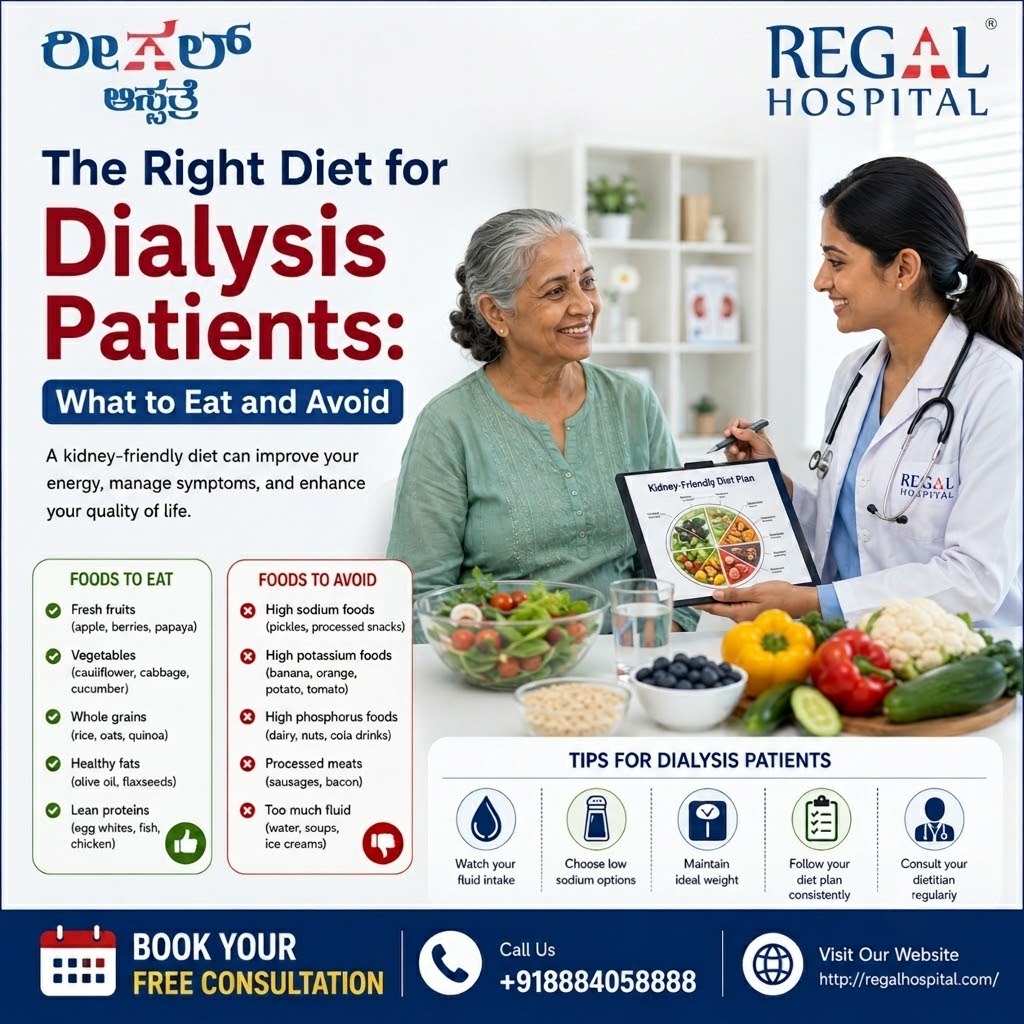
The Importance of Diet for Dialysis Patients
Introduction:
The start of dialysis treatment begins to affect every aspect of a patient’s daily life, including diet. Diet is a critical component of any dialysis treatment plan, and an appropriate diet can help prevent complications caused by fluid retention and can aid in the treatment process by helping maintain appropriate nutrition levels.
The objective of a dialysis diet is not simply to eliminate certain foods, but to develop a balance between nutrition, protein, caloric, fluid, sodium, phosphorus, and potassium needs.
The nutritional needs of a patient on dialysis vary greatly from patient to patient. Dialysis diet needs are dependent on blood test results, how often and what type of dialysis you receive, any medications you are taking, what medical conditions you have, how much of your kidney function is still active, and your appetite.
Therefore, a dialysis patient cannot develop their own dietary needs; it must be determined by their nephrologist and dietitian. According to the National Institute of Diabetes and Digestive and Kidney Diseases (NIDDK), patients on hemodialysis need to work with a dietitian to develop an eating plan.
Regal Hospital is an advanced multispecialty hospital located in North Bangalore that provides dialysis services and nephroology care, along with diet transition services, and a multi-disciplinary dialysis care team.
What do dialysis patients need to know about nutrition?
People whose kidneys don’t filter wastes as they should need a diet specific to dialysis. The removal of fluid and wastes during dialysis is not total, so you need to limit what you eat or drink in between treatments. Your dietitian will look at specific elements of your diet, including protein, sodium, potassium, phosphorus, fluids, calories, and vitamins and minerals. Really, what they focus on depends on what your tests show, and so they vary the amounts to treat your specific case.
What foods should dialysis patients eat?
- High-Quality Protein
People on hemodialysis often require adequate protein, sometimes even more than usual, because dialysis removes protein. High quality proteins include:
*Eggs
*Fish
*Chicken, fresh
*Lean meat
*Other proteins recommended by your dietitian
- Appropriate Fruits and Vegetables
Potassium is found in many vegetables, and as such, where potassium is a concern in your diet, you may need to limit your intake of fruits and vegetables. Some, especially potatoes, contain significant amounts of potassium. What is appropriate for you depends on your treatment plan and your blood potassium levels, and your renal dietitian will advise you on how much and which to eat.
There are many food items that dialysis patients are advised to avoid or limit, and sodium is the most common.
Excess sodium creates an excessive thirst and can increase pressure on the cardiovascular system and contribute to hypertension and retention of unwanted fluids.
Foods which contain sodium include:
Chips
Pickles
Fast food and other processed meats
Instant and processed snacks
High sodium canned foods
Sauces and condiments
Salty sauces and condiments
Lowering sodium intake also helps your body retain less fluids as there’s less temptation to over-hydrate.
Potassium controls heart function and muscle movement. Excessive potassium is very dangerous for dialysis patients.
Limiting high potassium foods depends on the level of potassium in your blood.
High potassium foods can Includes:
Bananas
Avocados
Potatoes
Legumes
Dried fruits
Juice
Beans
Certain veggies
There should not be a blanket removal of fruit and vegetables from your diet.
Limiting high phosphorus foods is advised for dialysis patients as high levels can build up in the body when kidneys function at a diminished capacity.
Restricting fluid intake is important because it will help decrease:
Swelling
Weight gain
High blood pressure
Labored breathing
Consequences of increased pressure on the heart
It will help manage your weight and assist the action of your dialysis treatments. Since healthy kidneys remove excess fluid by way of urine, kidney failure leaves fluid between treatments.
Your dietitian will consider the balance of your dialysis treatment, weight changes, urine output, and your general health to set your fluid limits.
Remember: fluid intake is not liquid only.
Foods that are liquid at room temperature such as soup and ice cream will count towards your fluid intake for the day.
Ask your dietitian for specific indications of foods you can count towards your fluid limit for the day.
Dialysis Diet, Made Easy
Rather than following a strict meal chart from the internet, use the following to begin building a dialysis diet:
Breakfast
Your dietitian will help you determine what constitutes your protein and carb sources for the meal.
What will my meals be like?
A moderate meal could consist of a properly proportioned amount of protein and maybe some carbs and veggies depending on what your potassium and phosphorus levels are.
An evening snack could consist of what works best for you based on your own limits for potassium, phosphorus, sodium and water.
A meal consist of proper portioning of foods with protein as recommended by your health care team.
Your renal dietitian can advise on the proper modifications considering your preference, habits and results. Ingredients, portion control as well as methods of preparation and the frequency at which foods can be eaten can be altered. For the most part a lot of your favorite foods can be kept, but eliminated.
Can I Still Eat Indian Food?
Lots of people in Bangalore ask if they should stop eating all the Indian food they’re used to after starting dialysis.
Not likely.
The goal is usually to modify the ingredients, portion sizes, the frequency of meals, cooking methods, etc., rather than giving up all of the foods a person is used to
Your dietitian can advise you on:
Use of lesser salt in the cooking
Use of fresh food rather than packaged food
Recommended portions of high-potassium food
Recommended protein
Control of fluid-containing food
High phosphorus food
Labeling of packed food
This approach makes following a diet much more practical with little modifications.
Managing Your Diet Between Dialysis Sessions
Consistency with nutrition and fluid plans helps decrease the build-up of wastes and excess fluids between dialysis sessions.
Some habits that may help include:
Recording fluid intake as advised.
Weighing as advised by the dialysis team.
Avoiding the addition of salt to meals.
To help manage waste buildup and retain fluid, NIDDK recommends modification in food and beverage intake between hemodialysis sessions.
Limit intake of packaged food and food with high level of processing.
Take your phosphate binders and other medications as scheduled.
Commit to your dialysis schedule.
Avoid use of herbal supplements and OTC (over the counter) drugs without doctor’s advice.
When Should You Call Your Kidney-Care Team?
- Severe swelling
*Ambulatory fluid retention (weight gain from fluid retention)
Dyspnea (labored breathing)
Prolonged nausea
Refusing to eat
Generalized muscle weakness
Inability to adhere to prescribed fluid restriction
Sudden changes in dietary habits
Concern about potassium or phosphorous levels
Call your local hospital.
Regal Hospital provides A&E (Accident & Emergency) services.
Why Should You Choose Regal Hospital for Your Dialysis Care in Bangalore?
Regal Hospital is a specialized multidisciplinary kidney-focused and healthcare center, located at Tirumanahalli, North Bangalore. It has easy access from the Thanisandra Yelahanka corridor. According to the website, it provides nephrology and urology care.
According to the website, Regal Hospital provides dialysis care with specialized multidisciplinary teams of nephrologists, urologists, nurses, dialysis technicians, and dietitians.
Dialysis care includes not just the dialysis session, but nutrition, medications, fluids, lab work, and follow-up care. So a multidisciplinary approach to care can be beneficial.
For good reason, families concerned about the best dialysis center in the vicinity of Thanisandra, Hennur, Yelahanka, Hebbal, and Tirumanahalli look to the Regal Hospital to offer focused kidney care and dialysis services in North Bangalore.
For good reason, families concerned about the best dialysis center in the vicinity of Thanisandra, Hennur, Yelahanka, Hebbal, and Tirumanahalli look to the Regal Hospital to offer focused kidney care and dialysis services in North Bangalore.
Frequently Asked Questions
1. What is the best diet for a dialysis patient?
No single diet is best for everyone. For dialysis patients, dietary intake must be based on blood tests, your dialysis prescription, your kidney function, your medication, and nutritional needs. A dietitian specializing in kidney disease (a.k.a. renal dietitian) is the best resource for creating a diet for dialysis patients.
2. Can dialysis patients eat fruits?
Yes, however, the types and quantities of fruit must be balanced with your potassium levels. Avoid exceeding the daily goal for your fruit intake or not eating fruit altogether unless your doctor tells you to.
How much water can dialysis patients drink?
It varies from patient to patient. Part of the answer relates to how much urine you produce and how much your weight changes. Other important factors include your frequency of dialysis, your underlying conditions, and the type of dialysis performed.
Should patients avoid protein?
Hemodialysis patients are advised to maintain adequate protein levels. Some of these patients may require more protein than patients with early stages of kidney disease. This should be done on a case-by-case basis.
Can I follow a kidney diet that I found online?
While a general online diet may be informative, you should seek individual medical nutrition therapy. Nutrient needs for phosphorus, potassium, protein, and fluid vary greatly.
A proper diet can help kidney failure patients to live well, but should complement dialysis and medical care.
Regal Hospital nephrology and dialysis services are provided in North Bangalore and appointments can be booked through the hospital’s website.
If you need a dialysis center in North Bangalore or specialized guidance for dialysis, nutrition, or kidney problems you can schedule your appointment at Regal Hospital by clicking the ‘Book an Appointment’ button below.
 Call us today: +91 888 405 8888
 Visit us: Near Thanisandra-Yelahanka Road, Bengaluru
 Learn more: www.regalhospital.com